

Identifying Rāzna's Native Bird Species
White-tailed eagles, great crested grebes, and osprey call these waters home. A visual guide to the birds you're most likely to encounter and how to tell them apart.
10 min read
Intermediate
May 2026

Author
Andris Ozoliņš
Senior Nature Conservation Editor
Senior nature conservation editor with 16 years of wetland ecology expertise and extensive field research at Rāzna National Park.
Why Bird Identification Matters at Rāzna
Spotting birds at Rāzna isn't just about checking off a list. It's about understanding what you're actually looking at when you're standing on the platform overlooking the water. The difference between a great crested grebe and a regular diver might seem small, but it completely changes how you experience the moment. We've spent years watching people's faces light up when they finally recognize a species they've seen a dozen times but never knew the name for.
This guide covers the birds you'll most likely see, with details that actually help you identify them. Not just "it's brown" — but the specific wing patterns, calls, and behaviors that make each species unique. We're focusing on the ones you can spot from the shoreline and observation platforms without specialized equipment.

The White-Tailed Eagle: Rāzna's Apex Hunter
If you see a massive bird circling over the water with that distinctive pale head and dark body, you've got your first identification. White-tailed eagles (sea eagles) are impossible to miss once you know what to look for. They're huge — wingspan up to 2.5 meters — and they move differently than other raptors. Instead of quick dives, they hunt by swooping low over the water with powerful, deliberate wing beats.
The key identifying feature is that white tail. Young eagles don't have it, which confuses a lot of people. It takes them about five years to develop their full adult plumage with that distinctive pale head and neck. So if you're wondering if what you saw was an eagle but the head looked brown, it was probably a juvenile. They're the same species — just not fully grown yet.
Spotting tip: Listen for their calls. Eagles make a high, almost gull-like cry that sounds nothing like you'd expect from such a powerful bird. Once you hear it, you'll recognize it every time.
Great Crested Grebes: The Elegant Dancers
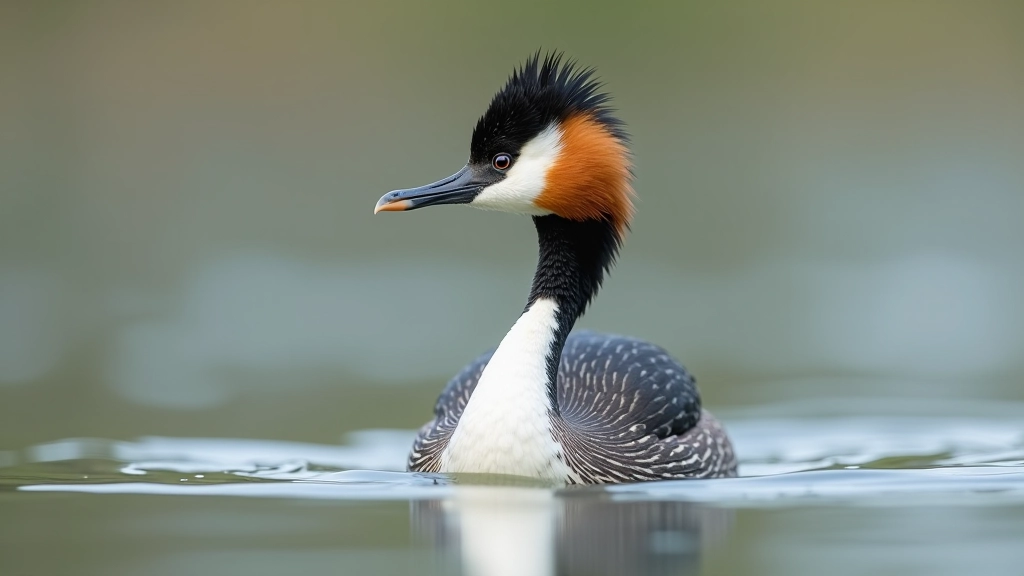
Grebes are completely different from ducks — they're built for diving, not paddling. The great crested grebe is the largest grebe you'll see at Rāzna, and once you spot the distinctive crest on their head, you won't forget it. It's not always raised (they only really show it off during courtship), but even when it's relaxed, you can see the sleek profile and the contrast between their dark back and pale belly.
Here's something most people don't realize: their legs are positioned so far back on their body that they can barely walk on land. You'll never see one waddling on the shore. They're water specialists. They dive for fish, and they're incredibly quick — one moment they're there, the next they're completely submerged. Watch for the jerky diving motion that's nothing like a duck.
In spring, you might witness their famous courtship ritual. Two grebes face each other, rise up on the water, shake their heads, and perform this synchronized dance. It's one of the most extraordinary things you'll see at the lake.
The Osprey: A Fishing Specialist
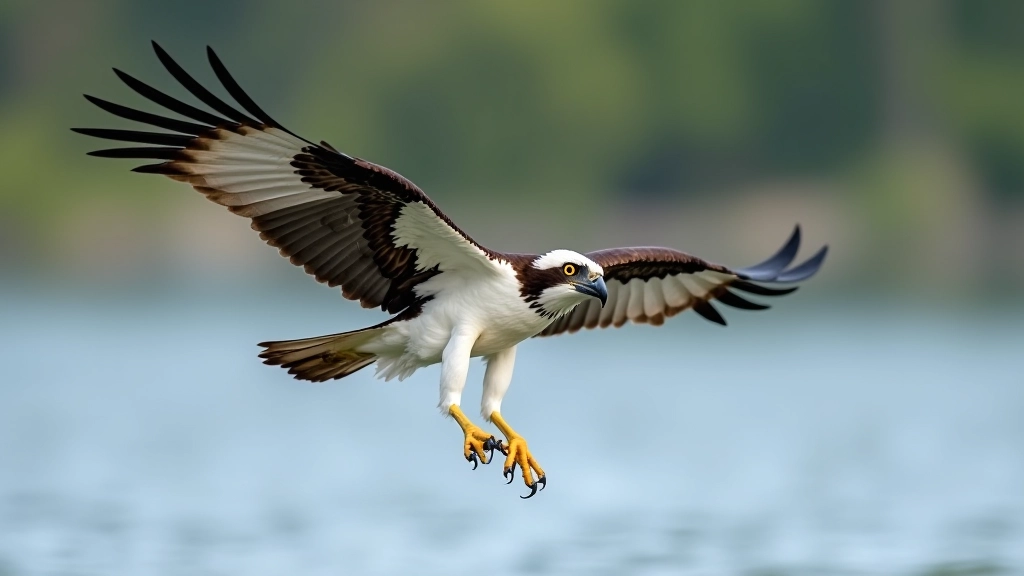
Ospreys are raptors that hunt exclusively from the water. You'll recognize them by their striking coloring — dark upperparts with white underparts — and that distinctive dark stripe through their eye like a mask. They're smaller than white-tailed eagles but still impressive, with a wingspan around 1.5 to 1.8 meters.
What makes ospreys special is their hunting technique. They hover over the water, spot a fish, and then dive at an angle with their feet extended. Unlike eagles that swoop across the surface, ospreys actually enter the water. You'll see them disappear into a splash and emerge seconds later, often with a fish in their talons. They've even got specialized toe pads that help them grip wet, slippery fish.
Spring is the best time to see ospreys at Rāzna because they return from their African wintering grounds to nest. If you spot one carrying a fish in its talons, there's probably a nest nearby with hungry chicks waiting.
Cormorants and Other Diving Birds
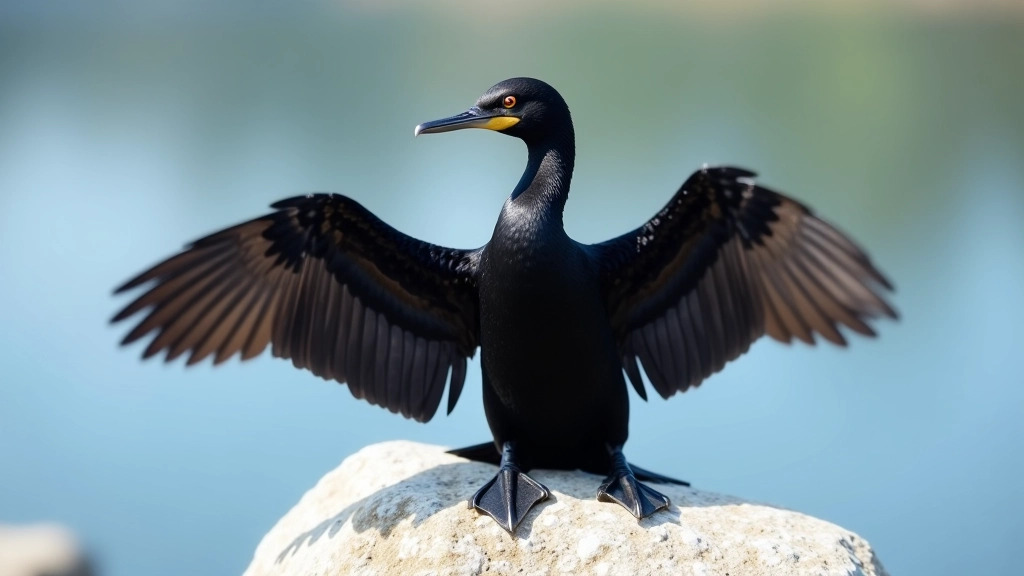
Cormorants are often mistaken for grebes at first glance, but they're actually completely unrelated. They're all-black water birds with long necks and a different body shape — sleeker and more streamlined. The easiest way to tell them apart from grebes is to watch their behavior. Cormorants often perch on rocks or dead trees with their wings spread open. They're drying their feathers, which aren't as waterproof as grebe feathers, so they need to dry out regularly.
You'll also see them diving constantly, often in small groups. They're fish hunters, and they're relentless. One cormorant can eat about 500 grams of fish per day. That's a lot of diving. Watch their head — it's distinctive with that long, slender profile and a slight hook at the tip of the bill.
Quick Identification Checklist
- Massive pale-headed bird circling high? → White-tailed eagle
- Elegant bird with black crest, pale belly? → Great crested grebe
- Brown and white raptor diving at an angle? → Osprey
- All-black bird drying its wings on rocks? → Cormorant
- Small duck-like bird? → Could be several species — watch for behavior patterns
Getting Better at Bird Identification
The truth is, you don't need fancy equipment or years of experience to identify these birds. You need patience and observation. Spend time watching. Notice how different species move. Listen to their calls. The more time you spend at Rāzna's platforms and shoreline, the more these birds become familiar to you.
Start with the species in this guide — they're the most visible and the easiest to learn. Once you can spot an eagle from a kilometer away or recognize a grebe's dive, you'll be ready to look for the smaller, trickier species. Bring a notebook. Sketch what you see, even if your drawings are terrible. Write down the date, time, and weather. That's how you build real knowledge.
And here's the thing — every visit to Rāzna is different. The birds change with the seasons, the light changes throughout the day, and your own observational skills improve. You'll never stop learning, and that's what makes bird watching so rewarding.
Ready to Plan Your Visit?
Check out our guide on the best times to visit Rāzna for bird watching, or discover the top observation platforms along the shoreline.
Best Times for Bird WatchingInformation Disclaimer
This guide is provided for educational and informational purposes to help visitors understand the bird species found at Rāzna. While we've drawn on extensive field observations and ecological research, bird behavior and identification can vary based on season, individual variation, and environmental conditions. For detailed ornithological information or species verification, we recommend consulting with official Rāzna National Park guides or local ornithological societies. Always observe birds responsibly from designated platforms and viewing areas, maintaining safe distances to avoid disturbing wildlife.
Explore More Resources

Top Picnic Spots Along the Shoreline
We've tested five scenic locations with table access, parking, and water views. Find the perfect spot for your lakeside visit.
Read More
Essential Gear for Your Lakeside Adventure
Binoculars, waterproof gear, and insect repellent make the difference. Here's what you actually need to bring.
Read More